
This sake cocktail is a delicious way to use this Japanese rice liquor! Mix it up into a classic Southside with lemon, lime and mint.
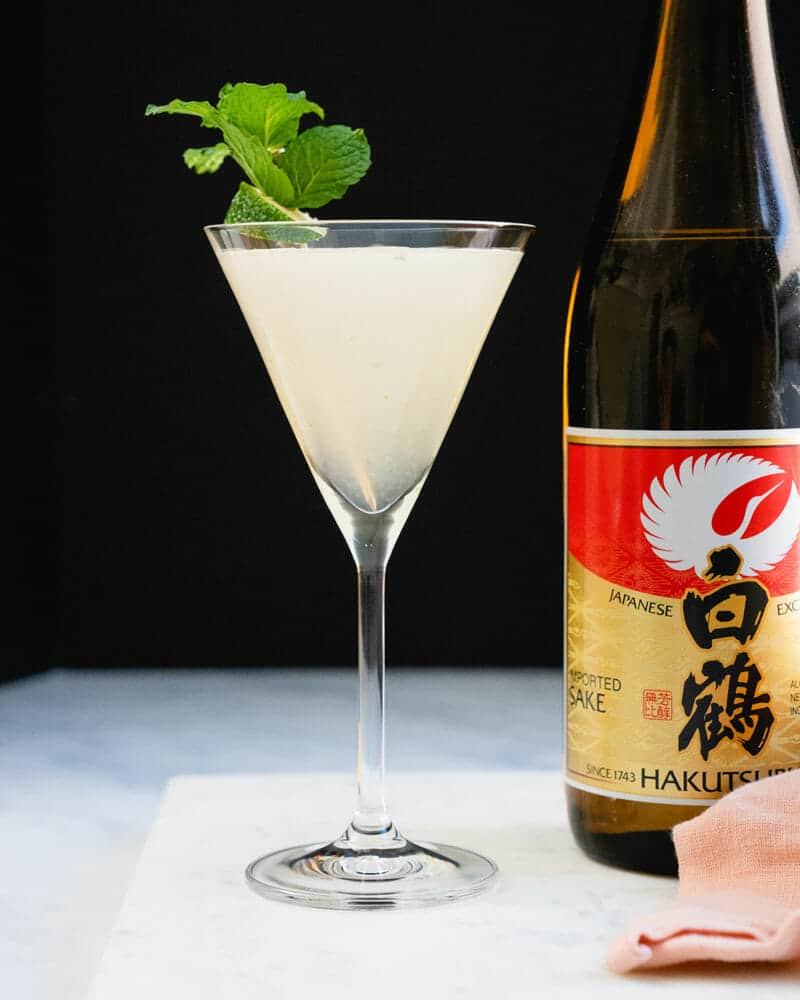
Got sake and want to make it into a cocktail? Here’s a delicious way to mix it up: my Sake cocktail! Sake is traditionally drunk as shots in Japan, but it’s a fun ingredient to experiment with in mixed drinks.
Here’s a drink that uses the traditional Japanese rice liquor in a classic gin cocktail, the Southside. I must say: I like this spin even more than the original! The lemon, lime and fresh mint brighten the flavor of the sake, adding and intriguing complexity that makes you want to keep on sipping. Here’s what to know to make this drink!
A Bit About Sake
Sake is a Japanese fermented rice liquor, sometimes called rice wine. It can be served hot or cold, and it’s typically not mixed into cocktails. But if you have some on hand, why not give it a dry? Sake’s flavor is pretty neutral: it’s almost like a dry white vermouth.
There are many types of sake that fit into about five major sake categories: Junmai, Honjozo, Ginjo, Daiginjo, and Nigori. You can use any type for this sake cocktail; I used Junmai Sake. Junmai means “pure rice,” so it means it’s not a fortified sake which has alcohol added. Go to over to Sake 101 for more on types of sake.
Ingredients You’ll Need
Since sake tastes similar to a dry white vermouth, you could add it to a cocktail made with dry vermouth like a classic martini. But for this cocktail I decided to go a little outside the box and pair it with lemon and lime to really make the flavors shine.
My sake cocktail is based on the classic Southside, a classic cocktail from the early 1900’s. It’s got lemon, lime and mint: kind of like a Mojito made with gin! One theory behind the name is that it may have been a favorite drink of Al Capone, whose gang ran in the South Side of Chicago. Here’s what you’ll need for this:
- Fresh mint leaves: This adds a delicious herbal flavor layer to the drink.
- Sake: Again, any type of sake will do (I used Junmai-style Sake).
- Lime and lemon juice: Fresh citrus pairs beautifully with sake.
- Simple syrup: I used a hint of sweetness to balance out the flavors.

How To Make This Sake Cocktail
This sake cocktail is very easy to make, once you’ve got your sake, mint and citrus. It’s a traditional shaken cocktail that you’ll put together in a cocktail shaker. Here’s what to do:
- Muddle the mint. In a cocktail shaker, muddle the mint leaves (gently mash them) with the lime and simple syrup.
- Shake. Place the remaining ingredients in the shaker, add ice, and shake.
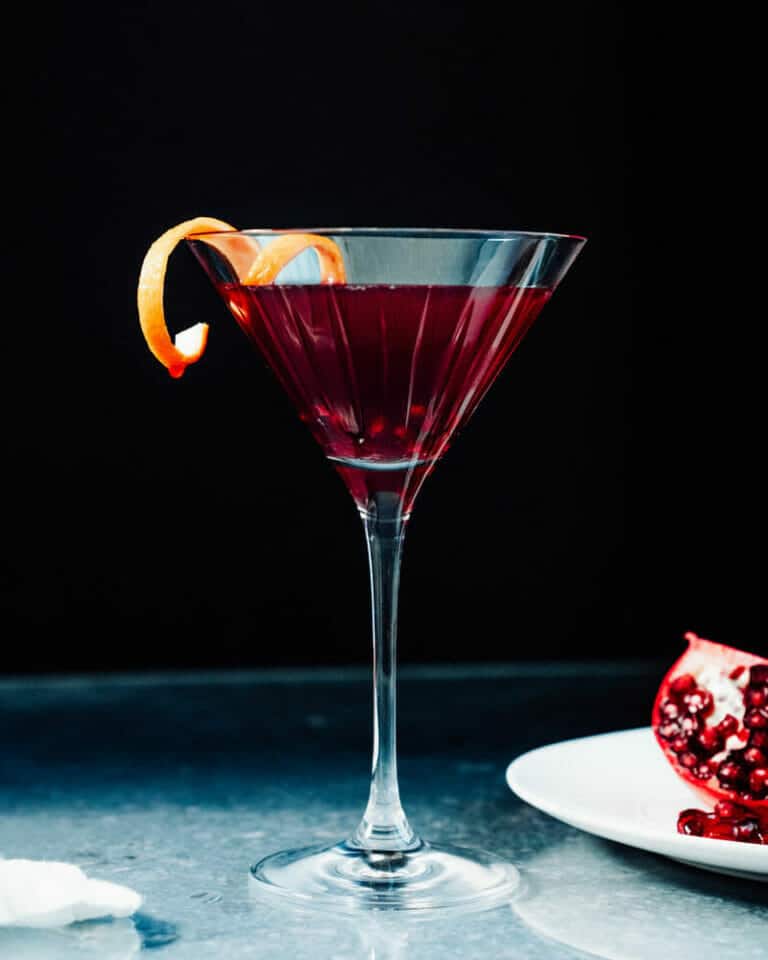
- Strain into a glass. Strain the drink into a stemmed cocktail glass. Garnish with mint and lime, if you’d like.
How to Serve It
The Sake Southside cocktail is refreshing and sweet tart, great for impressing guests or simply mixing up to use up the rest of a bottle of sake. It works as a:
- Summer drink
- Signature drink
- Cocktail hour drink
- Party drink
- Happy hour drink
- Dinner party drink

How to Store Sake
Unopened sake keeps for around a year in a cool, dark spot. Once it’s opened, treat it like wine or a vermouth: reseal it, refrigerate, and enjoy within a couple of weeks for the best flavor.
Unpasteurized styles (labeled nama) should be refrigerated right away. Overall, the fresher the sake the better the flavor.
Frequently Asked Questions
Sake is a brewed rice beverage, so it’s made more like beer than wine, even though it’s called “rice wine.” It usually runs 15 to 16% ABV.
The most common styles are junmai, honjozo, ginjo, daiginjo, and nigori. They differ mainly in how polished the rice is and whether a little distilled alcohol is added.
Both. Premium types like ginjo and daiginjo are best chilled, while junmai and honjozo are often served gently warmed.
Yes! You can use it in the same way you’d use a cooking wine. A splash can tenderize chicken or fish, deglaze a pan, and add gentle umami to a dish.
One important note: sake and mirin are not the same. Mirin is sweeter, lower in alcohol, and has lots more sugar, so they behave different in recipes. Check my guide to mirin substitutes for more.
Sake Cocktail: The Southside!

This sake cocktail is a delicious way to use this Japanese rice liquor! Mix it up into a classic Southside with lemon, lime and mint.
- Prep Time: 5 minutes
- Cook Time: 0 minutes
- Total Time: 5 minutes
- Yield: 1 drink 1x
- Category: Drink
- Method: Shaken
- Cuisine: Cocktails
- Diet: Vegan
Ingredients
- 6 mint leaves
- 3 ounces sake (I used junmai sake)
- ½ ounce lime juice
- ½ ounce lemon juice
- ½ ounce simple syrup
- For the garnish: Lemon twist, mint leaves
Instructions
- Add the mint leaves to a cocktail shaker and muddle them.
- Add the sake, lemon juice, lime juice and simple syrup to cocktail shaker. Fill it with ice and shake until cold.
- Strain the drink into chilled cocktail glass. Garnish with an additional mint leaf (smack it between your hands to release the oils) and a lemon twist.


This looks really neat! Hoping to make it. But, a question. What does “top with bubbles” mean here? None of the ingredients appear to be bubbly. Should you add carbonated water at the end? Or more sake? Or something else?
Thank you!
You are correct, that was a typo! Removed. Let us know if you try it!